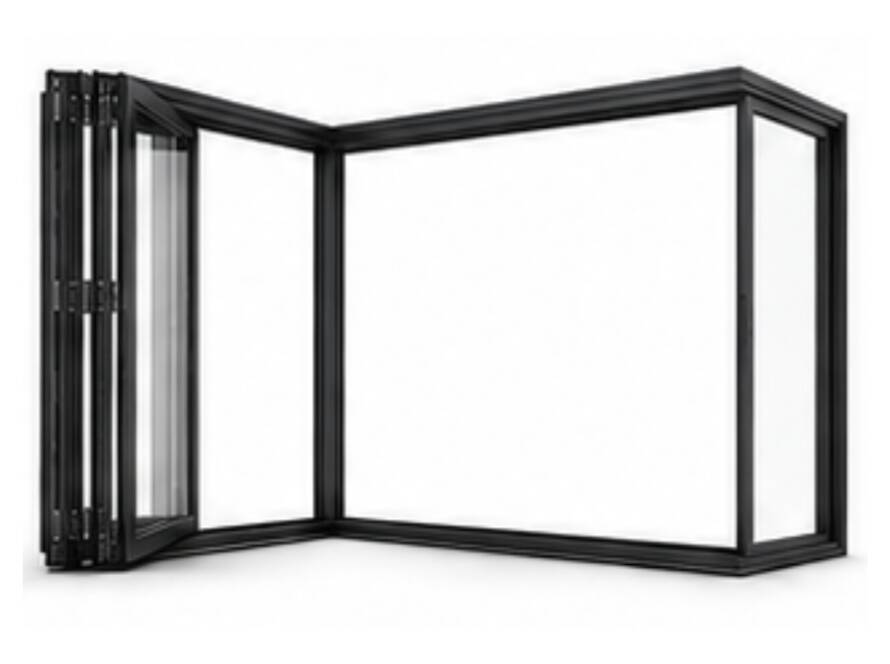
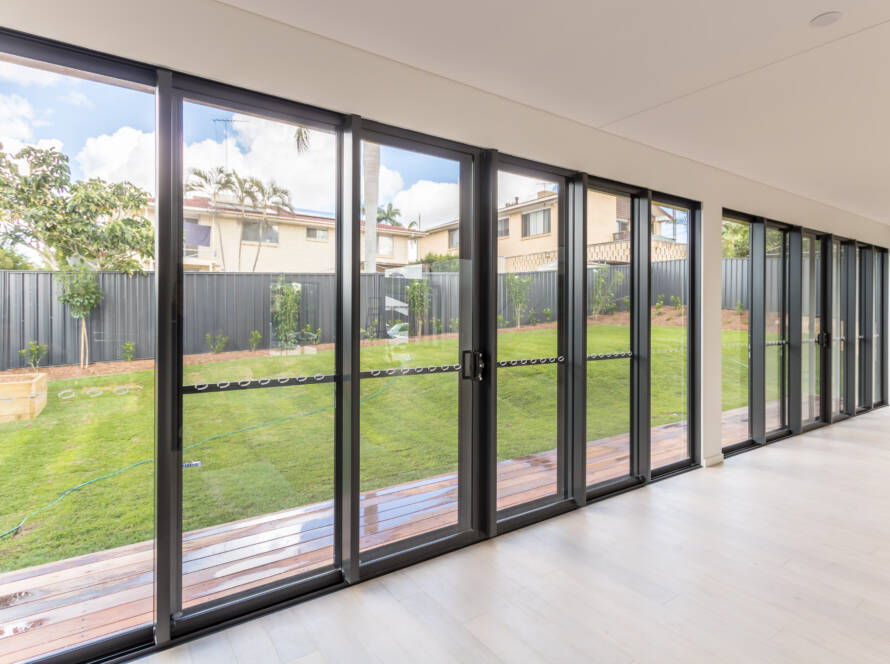
Sashless windows remove the frame from around the glass so the view runs edge to edge inside a slim aluminium perimeter. They look striking and ventilate well, but they carry limits on glazing, size and energy performance that product pages rarely spell out. Here are both sides, with indicative costs.
Key Takeaways
- A sashless double hung window uses two counterbalanced glass panels that slide vertically with no sash around the glass.
- Strengths are an uninterrupted view, ventilation at top and bottom, and panels that tilt or lift out for cleaning.
- Most systems are single glazed only, which limits thermal and acoustic performance and rules out double glazing rebates.
- Expect to pay roughly 30% to 60% more than a standard aluminium sliding window of the same size.
What Sashless Windows Mean
A conventional window holds each pane in a sash, the inner frame that carries the glass, locks and handles. A sashless window drops that inner frame. Each panel is a sheet of toughened or laminated glass, usually 6mm to 6.38mm thick, sitting in a channel in the outer frame with a small handle bonded to it.
In the double hung version the two panels are counterbalanced by spiral balances hidden in the jambs, so one finger moves either panel and it stays put. Manufacturers such as Arch Aluminium Windows and Doors in Melbourne build them to order in the same powder-coated framing as their other windows, so the look carries across a whole elevation.
Sashless Window Advantages
The view is the reason most people ask for them. With no sash, meeting rail or mullion, a 1200mm wide window shows almost 1200mm of glass, and against a garden or skyline the difference from a framed window is obvious.
Ventilation is the second strength. Opening the top panel lets warm air out at ceiling height while the bottom panel draws cooler air in, the stack effect that makes a double hung window work on a still Melbourne evening. Opening the top only is safer with children.
Cleaning is simple, as most systems let the panels tilt inward or lift out from inside, so upstairs windows need no ladder.
Sashless Window Drawbacks
The glazing limit is the big one. Because the glass edge slides in a slim channel, most sashless systems only accept single glazing up to about 6.38mm. A few newer designs take a thin double glazed unit, but at a higher price and with fewer sizes and glass types.
Single glazing sits well behind a double glazed thermal window on U-value and WERS ratings, so a home with a lot of sashless glass leans harder on its other windows, insulation and shading to pass the energy assessment. It also does less for street noise, though 6.38mm laminated glass helps.
The other limits are practical:
- Air infiltration is higher than a sealed sash window because the glass runs in a channel rather than against a compression seal.
- Locking is usually a catch on the glass rather than a keyed sash lock.
- Flyscreens and security screens fit externally as a fixed panel, which covers the clean look from outside.
- Panel size is capped by glass weight and balance strength, typically 1200mm to 1500mm wide and 2100mm to 2400mm high.
Sashless Versus Other Windows
A standard aluminium double hung window has the same vertical action and stack ventilation but keeps the sash frames and a meeting rail across the view. In return it takes double glazing, keyed locks and internal screens, and seals better, which makes it the practical choice for a bedroom on a busy road.
A sliding window is the cheapest opening window per square metre and takes double glazing and screens with no fuss, but only half the frame ever opens and a vertical rail always crosses the view. Where the view is the point and the room has other openings to carry the thermal load, a sashless double hung window earns its place. Where sealing, screens or budget lead, a framed window wins.
What Sashless Windows Cost
Indicative Australian pricing for a standard sized residential aluminium window, supply only. Installation adds several hundred dollars per opening depending on access.
- Sliding window: about $350 to $900.
- Standard double hung window: about $500 to $1,200.
- Sashless double hung window: about $700 to $1,800, with double glazed or oversized units pushing past $2,500.
The premium comes from toughened glass, balance hardware and tighter tolerances. Custom colours, laminated glass and large panels all move the number up.
If the sashless windows are part of a wider replacement, our guide to the cost of replacing aluminium windows covers the removal, installation and making-good costs that apply to every window type.
Best Rooms For Sashless
Sashless windows work best where the outlook justifies the compromise: living and dining rooms facing a garden, upstairs bedrooms with a treetop view, and stairwell windows that never need a screen. North and east elevations get winter sun without the worst summer heat load.
They are a weaker fit for bathrooms, where obscure glass removes the only advantage, and for south or west walls where single glazing feels cold in July. For a wide opening where you want a fitted screen at a lower price, a sliding window is usually the sensible alternative.
Melbourne Considerations
Victoria has adopted the 7-star energy provisions of NCC 2022 for new homes, so a design heavy on single glazed windows must make up ground elsewhere. Renovations face looser rules, but the comfort gap between single and double glazing is felt most in Melbourne’s cold, windy winters.
The Victorian Energy Upgrades program only rebates window replacements that meet a minimum thermal performance, which single glazed sashless units will not, so budget without it. In bushfire-prone areas, toughened glass can meet lower BAL levels, but higher ratings usually need a framed window with a specific glass and screen combination, so check the BAL report first.
FAQ
Can sashless windows be double glazed?
Some newer systems accept a slim double glazed unit, but most residential sashless windows in Australia are single glazed up to 6.38mm. If double glazing is essential, confirm the exact system before ordering.
Are sashless windows secure?
The glass is toughened or laminated, so the panels are not fragile. Locking is usually a catch on the panel rather than a keyed sash lock, so for ground floor openings ask about lockable hardware and an external security screen.
Can you fit flyscreens to sashless windows?
Yes, but the screen fits externally as a fixed panel over the opening area. It works, but it sits across the glass from outside and dilutes the frameless look.
How do you clean a sashless window?
Tilt or lift the panels out from inside and wipe both faces. Keep the channels clear of grit with a soft brush so the panels keep sliding freely.
Conclusion
Sashless windows are a view-first product. If the outlook is worth it and the rest of the house can carry the thermal load, few windows look better. If sealing, noise, screens or rebates matter more, a framed window is the stronger buy. To price either option, request a free quote from Arch Windows.