Stacker doors give you a wide, uninterrupted opening without the swing space a bi-fold needs. Pricing varies widely, because panel count, glazing and installation each shift the total by thousands. Here is what stacker doors cost in Australia, what drives the price, and which configuration suits your opening.
Key Takeaways
- Supply-only aluminium stacker doors run from around $1,500 for a small single glazed 3-panel unit to $7,000 or more for a large double glazed 6-panel door.
- Installation adds roughly $800 to $2,500 for a like-for-like replacement, and far more if a new opening is needed.
- Glazing, thermally broken frames, size, track type, screens and colour are the main cost drivers.
- A 3-panel door opens about 66% of the frame, a 4-panel two-way door about 50%, and a 6-panel centre-opening door about 66% with panels stacking to both sides.
Indicative Stacker Door Prices
The figures below are indicative Australian market ranges for aluminium stacker doors, excluding delivery and site-specific work. Prices from a custom manufacturer such as Arch Aluminium Windows and Doors depend on the system, glass and finish specified, so treat them as a starting point rather than a quote.
| Configuration (2100mm high) | Single Glazed, Supply Only | Double Glazed, Supply Only | Supply and Install (Replacement) |
|---|---|---|---|
| 3-panel, 2200 to 2700mm wide | $1,500 to $2,300 | $2,400 to $3,600 | $2,500 to $5,500 |
| 3-panel, 3100 to 4000mm wide | $1,900 to $2,800 | $3,000 to $4,500 | $3,000 to $6,500 |
| 4-panel, 3000 to 4800mm wide | $2,300 to $3,500 | $3,600 to $5,500 | $3,500 to $8,000 |
| 6-panel centre-opening, 4400 to 6300mm wide | $2,800 to $4,500 | $4,500 to $7,500 | $4,500 to $10,500 |
Where a wall needs to be cut out and a new lintel or steel beam installed, budget an additional $4,000 to $15,000 for engineering, permits, structural work and making good. That is where $25,000 to $35,000 project figures come from.
What Drives Stacker Door Cost
Glazing
Glass is the biggest single variable. Single glazed toughened glass from 4mm to 12.4mm is the baseline, and double glazing usually adds 40% to 60% to the supply price. Low-E coatings, laminated acoustic glass for busy roads and bushfire-rated glass for BAL zones all add cost but change how the door performs through a Melbourne winter.
Thermally Broken Frames
A thermally broken frame has a polyamide strip separating the inside and outside aluminium, which stops heat bridging through the metal. Paired with double glazing it sharply reduces heat loss and improves the WERS rating that feeds into your NCC energy assessment. Expect a premium of 20% to 35% over a standard frame.
Size and Panel Count
Wider openings mean more glass, more rollers and heavier sections. Height matters too: a 2400mm or 2700mm door uses thicker glass and stronger extrusions than a 2100mm door, so cost climbs faster than the extra area suggests.
Tracks and Hardware
Standard sill tracks are the most economical. Flush or recessed sills that sit level with the floor cost more and need careful drainage detailing, but give step-free access. Stainless steel rollers and multi-point locks add a few hundred dollars and pay off on heavy double glazed panels.
Screens, Colour and Extras
- Sliding flyscreens or security screens: roughly $300 to $1,200 depending on mesh.
- Standard powder coat colours are usually included; premium, metallic or woodgrain finishes add 10% to 20%.
Installation and Removal
Removing an existing door, fitting the new frame, flashing and sealing typically costs $800 to $2,500 for a straightforward replacement. Two-storey access, rendered walls and tiled reveals push the labour figure up.
Panel Configurations Explained
Stacker doors use fixed and sliding panels on parallel tracks, so the sliding panels stack neatly behind a fixed one. The configuration sets both the price and how much of the opening you can use. Arch manufactures each stacker door to the opening, so any layout below can be built left-hand or right-hand stacking.
- 3-panel (1 fixed, 2 sliding): the most affordable option, opening about 66% of the frame to one side. Suits openings from 2200mm to 4000mm.
- 4-panel two-way (2 fixed, 2 sliding): panels stack to each end, opening about 50%. Symmetrical and well suited to wide alfresco walls.
- 4-panel one-way (1 fixed, 3 sliding): needs a triple track but opens around 75%, the widest clear opening from a single-side stack.
- 6-panel centre-opening (2 fixed, 4 sliding): two 3-panel sets meeting in the middle, opening about 66% with a generous central gap. Best for openings from 4400mm to 6300mm.
If you want the whole opening clear, a bi-fold or corner-opening door is the better tool. Stackers trade some opening width for slim sightlines, no swing space and easier operation with heavy glass.
Stacker Versus Sliding Doors
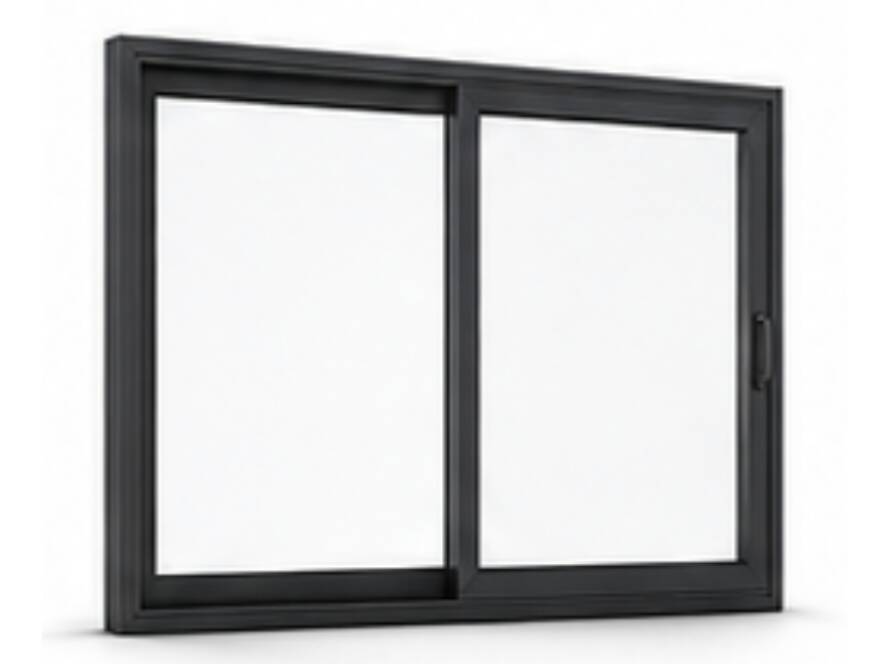
A standard sliding door has one fixed and one sliding panel, so it opens 50% of the frame on a two-track sill. Because a stacker adds tracks, rollers and panels, it generally costs 30% to 60% more at the same width. For openings under 2400mm a well-made sliding door is often the smarter spend, while stackers earn their premium past about 2700mm when you want more than half the wall open.
Getting An Accurate Quote
Have these details ready to get a firm figure rather than a broad range:
- Opening width and height, plus wall type and cladding.
- Whether the door replaces an existing unit or needs a new opening and structural support.
- Glazing preference: single or double, Low-E, acoustic or bushfire rated.
- Standard or thermally broken frame, and any energy rating targets from your building surveyor.
- Sill type, screens, colour and stacking direction.
Ask the supplier to itemise supply, installation, removal and structural work separately, and confirm the door is tested to AS 2047 and glazed to AS 1288. Lead times for custom aluminium doors are commonly 4 to 8 weeks.
FAQ
How much does a 3 panel stacker door cost?
A single glazed 3-panel aluminium stacker door of around 2100mm by 2700mm typically costs $1,500 to $2,800 supply only, rising to $2,400 to $4,500 double glazed. Installed as a like-for-like replacement, expect $2,500 to $6,500.
Are stacker doors more expensive than bi-fold doors?
Usually not. Bi-folds need more hinges, top-hung hardware and panels, so a comparable bi-fold often costs 20% to 40% more. Stackers also carry heavy double glazing more easily because the weight sits on rollers rather than hinges.
Is double glazing worth it on a stacker door?
In Melbourne and other cool-climate regions, yes for most homes. A large stacker is a big area of glass, and double glazing cuts heat loss, reduces condensation and improves noise control. It can also help you meet NCC energy requirements.
Can I replace a sliding door with a stacker door?
Often, provided the opening is wide enough to make a stacker worthwhile. If it is narrow you may need to widen it, which brings in structural work, a building permit and engineering, adding several thousand dollars.
Conclusion
Stacker door pricing comes down to size, panel count, glass and how much work the opening needs, so a realistic budget starts around $2,500 installed and climbs past $10,000 for large double glazed, thermally broken doors. For a firm figure on a custom-made stacker door, request a free quote and we will size and specify it for your opening.