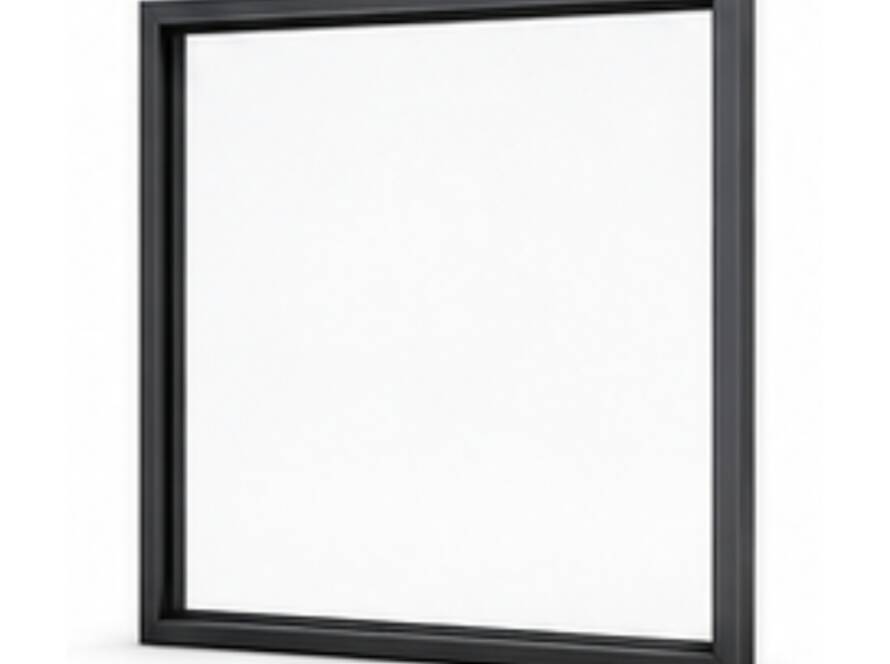
Awning windows are hinged at the top and push out from the bottom, so the glass acts like a small roof over the opening. They are popular in Australian homes, but not right for every wall. Here is what they do well and where they fall short.
Key Takeaways
- Awning windows stay open in light rain and seal tightly when closed, so they are strong on ventilation and energy efficiency.
- Sash size is limited by glass weight, so large openings need multiple sashes or a different window type.
- Chain winders suit heavier sashes and hard-to-reach spots; friction stays suit smaller, lighter sashes.
- They suit bathrooms, kitchens and laundries, and work in bedrooms with opening restrictors fitted.
- Indicative pricing runs from a few hundred dollars for a small single glazed unit to over $1,500 for a large double glazed one.
How Awning Windows Work
An awning window has a single sash hinged along the top rail. The bottom edge swings outward, usually to about 30 to 45 degrees, and when closed the sash pulls back against a rubber compression seal on all four sides.
Friction stays are the stainless steel arms on each side that hold the sash at any angle. Chain winders sit on the bottom rail, wind the sash open and lock it shut. Manufacturers such as Arch Aluminium Windows and Doors in Melbourne build awning windows on commercial-grade aluminium systems with single or double glazing.
The Advantages
Ventilation in Wet Weather
Because the sash tilts outward, the glass shelters the opening. You can leave one cracked open in a Melbourne drizzle and the sill stays dry, which matters in a bathroom where steam needs out every day. Wind-driven rain will still get in, so close up when a front comes through.
Sealing and Energy Efficiency
Awning and casement windows are the tightest sealing operable windows you can buy. The winder pulls the sash into the compression seal, so air leakage is far lower than a sliding window with brush seals. Under WERS ratings, a thermally broken double glazed awning window typically achieves a Uw value around half that of a single glazed aluminium unit, a real gain against the NCC 7-star requirement for new homes.
Security and Privacy
A closed awning window with a key-lockable winder is difficult to force from outside. The hinges sit inside the frame and the sash cannot be lifted out. Set high on a wall, it gives light and air without a sightline from the street.
Screens Fit Inside
Because the sash opens outward, the flyscreen sits inside the frame, protected from weather and easy to remove for cleaning.
The Drawbacks
Size Limits and Sash Weight
The whole sash hangs from its top hinges and the hardware has a weight rating. Standard 4 mm glass weighs about 10 kg per square metre, 6.38 mm laminated about 16 kg, and a double glazed unit 20 kg or more. Most systems cap an awning sash at roughly 1.2 m wide, so wide openings are broken into two or three sashes or paired with fixed panes.
Obstruction Outside
An open sash projects outward and can be a head-height hazard on a deck or narrow side path, so check the swing before placing one beside a walkway.
Cleaning and Wear
Upstairs, the outer glass is only reachable from inside if the sash opens wide enough, and standard friction stays often do not. Ask for easy-clean stays upstairs or plan for a pole cleaner. Cheap zinc winders can also strip within a few years, so specify stainless steel stays and a quality winder, and lubricate the chain yearly.
Chain Winders vs Friction Stays
Friction stays alone suit small, light sashes such as a 600 by 900 mm bathroom window. Chain winders add cost but give leverage for heavy double glazed sashes, a positive lock that clamps the seal shut, and easy operation above a bench. Winders can also take a restrictor that limits the opening to 125 mm, which the NCC requires on bedroom windows with a fall of 2 m or more outside. The Arch awning window range can be specified either way to match sash size and location.
Best Rooms for Awning Windows
- Bathrooms and ensuites: high placement, privacy, all-weather ventilation.
- Kitchens: a winder opens a window above the bench.
- Laundries: steam and dryer heat exit even when it is raining.
- Bedrooms: quiet, tight sealing, secure night ventilation with a restrictor.
- Highlight windows: a row of sashes above a fixed pane lets summer heat out.
Awning vs Casement vs Sliding
A casement window is the same idea turned on its side, hinged along one vertical edge. Casements catch cross breezes better and can be built taller, but they cannot stay open in rain and project further outside. Sealing and security are near identical. For a tall, narrow opening with maximum airflow, casement windows are often the better fit; for wide, low openings and wet rooms, awning wins.
Sliding windows cost less, need no outside clearance and suit very wide openings, but only half the window opens, the brush seals leak more air and noise, and they cannot be left open in rain.
What They Cost
As an indicative Australian guide, a single glazed aluminium awning window in a common size sits between $400 and $900 supply only. Double glazing, thermally broken frames, Low-E glass and chain winders each add to that, and a large double glazed unit can pass $1,500. Installation typically adds $250 to $600 per window. Victorian homeowners should check whether the upgrade qualifies under the Victorian Energy Upgrades program before ordering.
For a whole-house replacement, the guide to how much it costs to replace aluminium windows breaks the numbers down by window type and glazing.
Whatever the budget, spend it on glazing and hardware first rather than size.
FAQ
Can awning windows be left open in the rain?
Yes, in light or steady vertical rain the open sash shelters the opening. In wind-driven rain water can blow in under the sash, so close them when a strong front arrives.
How big can an awning window be?
Most aluminium systems limit a single sash to about 1.2 m wide, with height governed by glass weight and hardware rating. Larger openings use multiple sashes or fixed glazing.
Do awning windows meet bedroom safety rules?
Yes, when fitted with an opening restrictor. The NCC requires bedroom windows more than 2 m above the ground outside to limit the opening to 125 mm, and awning winders can do this.
Are awning windows more energy efficient than sliding windows?
Generally yes. The compression seal leaks far less air than the brush seals on a slider, and with double glazing the difference in heat loss is significant.
Conclusion
Awning windows earn their popularity with rain-proof ventilation, tight sealing and good security, provided you respect their size limits and match the hardware to the sash weight. Use them for wet rooms, kitchens, bedrooms and highlight positions, and look to casement or sliding windows for tall or very wide openings. If you are planning new or replacement windows in Melbourne, request a free quote to get sizes and glazing options priced for your home.